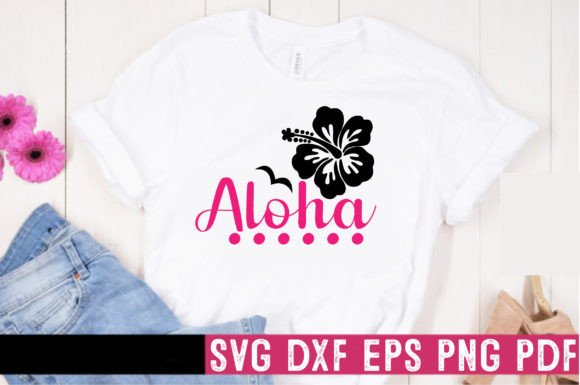
Aloha: Free Graphics for Modern Blogs
As a digital publisher who has spent years refining the visual identity of high-traffic content sites, I have learned that the difference between a bounce and a conversion often comes down to split-second visual perception. When I first encountered Aloha, my immediate reaction was not just about the aesthetic appeal, but about its utility in a fast-paced editorial workflow. This asset is not merely a decorative element; it is a strategic tool for bloggers, newsletter creators, and affiliate marketers who need to establish instant rapport with their audience.
The design exudes a lifestyle-focused, warm, and inviting mood. It feels both modern and approachable, striking a balance that is difficult to achieve without appearing generic. For content niches centered around travel, wellness, personal development, or creative entrepreneurship, this graphic sets a tone of openness and positivity. It suggests to the reader that the content they are about to consume will be helpful, friendly, and professionally curated. In an era where reader trust is paramount, using design assets that feel authentic rather than corporate is essential for building a loyal community.
Integrating Aloha into Your Publishing Workflow
In my own publishing workflow, I look for versatility. A single graphic design asset must work across multiple touchpoints to maintain brand consistency. Aloha excels here because it adapts seamlessly to various formats. I immediately envisioned using it for blog featured images, where it can serve as a subtle background texture or a focal point that draws the eye toward the headline. For Pinterest graphics, which rely heavily on vertical composition and clear visual hooks, this asset provides the necessary artistic flair to stand out in a crowded feed without overwhelming the text overlay.
Beyond static blog posts, consider its application in email marketing. Newsletter headers often suffer from being too text-heavy or visually dull. Incorporating Aloha into your newsletter graphics can break up the monotony and signal a shift in tone, making the content feel more like a personal letter than a broadcast. Furthermore, for those creating digital products, such as eBooks, worksheets, or lead magnets, this graphic adds a layer of polish that justifies a higher perceived value. It transforms a simple PDF into a branded experience.
Enhancing Visual Hierarchy and Click-Through Rates
From a web design perspective, visual hierarchy is critical. Readers scan pages before they read them. A well-placed graphic can guide the eye, creating a natural flow from the hero image to the call-to-action. Aloha supports this by offering clean lines and balanced proportions. When used in website headers or category thumbnails, it helps establish a recognizable visual identity. Over time, regular visitors begin to associate this specific aesthetic with your brand, improving category recognition and fostering a sense of familiarity.
For affiliate marketers and content creators, the goal is often to drive clicks. A professional-looking content page inspires confidence. If your visuals appear amateurish, readers may question the quality of your recommendations. By integrating high-quality freebies like this into your social media graphics and article headers, you elevate the entire presentation. It signals that you care about details, which translates to trust in your expertise. This is particularly important for small business branding, where every pixel contributes to the overall narrative of professionalism and reliability.
Strategic Placement and Cautionary Notes
While Aloha is versatile, it is not a one-size-fits-all solution. It works best in contexts that allow for breathing room. Hero images, editorial accents, and standalone social media posts are ideal environments. However, caution is required when using it in small mobile thumbnails or busy layouts. On smaller screens, intricate details can get lost, potentially creating visual noise rather than clarity. Additionally, if your niche is strictly corporate, legal, or financial, the playful and relaxed nature of this graphic might clash with the serious tone required for those industries.
Another consideration is contrast. When placing this asset behind text, ensure there is sufficient separation to maintain readability. I recommend testing it against both light and dark backgrounds. In some cases, reducing the opacity or using a solid color overlay can help the text pop while still retaining the artistic essence of the design. Avoid using it in text-heavy blog images where the graphic competes with the message. The goal is enhancement, not distraction.
Practical Publisher Notes for Implementation
Before deploying Aloha across your digital channels, conduct thorough testing. Preview it inside your actual blog layout to see how it interacts with your existing typography. Try pairing it with different font styles: a serif font for a classic editorial look, a sans serif for modern cleanliness, or a script font for a handwritten, personal touch. Observe how these combinations affect the overall mood. Does it feel cohesive? Does it align with your brand identity?
Performance is also key. Large image files can slow down your site, negatively impacting SEO and user experience. Since this is a digital download, you will receive multiple file formats. Use the PNG file for web-ready images, but ensure you compress it properly before uploading. For printables or high-resolution digital guides, the 300 dpi PNG or EPS file will provide the crisp quality needed for professional printing. Always check the commercial license terms. While this is listed under freebies, confirming that you have the right to use it on monetized websites, affiliate pages, or in paid content products is a non-negotiable step for any serious publisher.
What You Receive in the Digital Package
Understanding the technical specifications of your design assets is crucial for efficient workflow management. When you acquire Aloha, you are receiving a comprehensive digital download package designed for flexibility. There is no physical product; everything is delivered instantly via a zip file. Inside, you will find a vector SVG file, which is invaluable for web designers because it scales infinitely without losing quality. This is perfect for responsive web design where images must look sharp on both retina displays and standard monitors.
Additionally, the package includes word-by-layer SVG files, allowing for deep customization if you have the skills to edit vector paths. For raster-based editing in tools like Photoshop or Canva, the 300 dpi PNG file offers high resolution suitable for both screen and print. The inclusion of EPS and DXF files expands the utility for users working with cutting machines or professional illustration software. This variety ensures that whether you are creating a simple Pinterest pin or a complex printable design, you have the right format at your disposal.
In the competitive landscape of the creative marketplace, having access to high-quality, versatile graphics like Aloha can significantly reduce production time while elevating output quality. It allows small business owners and creative entrepreneurs to focus on content creation rather than struggling with basic design elements. By integrating such assets thoughtfully, you build a stronger, more cohesive visual narrative that resonates with your audience and drives meaningful engagement.