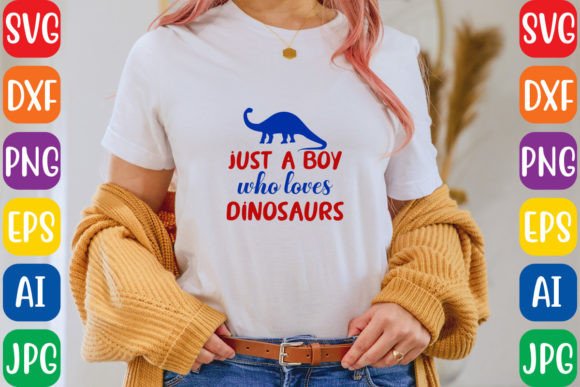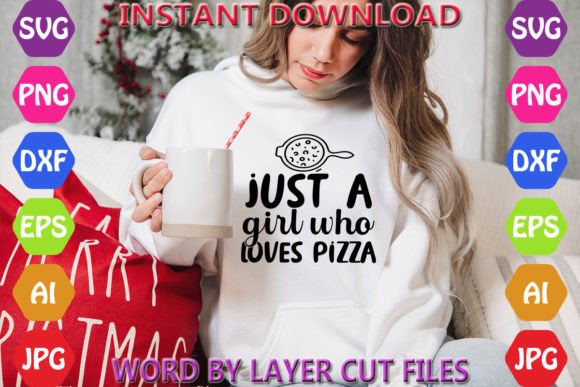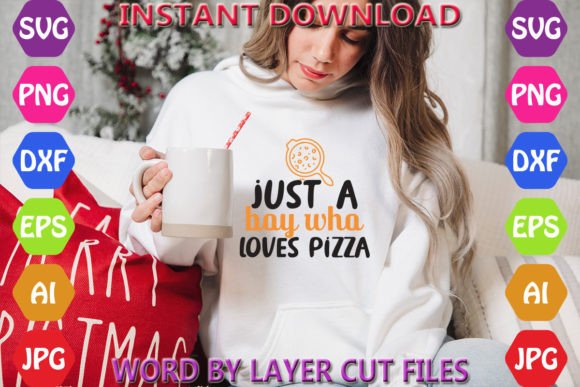
Just a Boy Who Loves Pizza Graphics Freebies
As a digital publisher and blog designer, I have learned that the difference between a scroll-past moment and a clicked link often comes down to visual communication. We spend hours crafting headlines and optimizing meta descriptions, yet we frequently underestimate the power of a single, well-chosen graphic design asset. Recently, I came across a file titled Just a Boy Who Loves Pizza, and I decided to put it through the rigorous testing process I apply to all assets before they touch my live sites. This review is not just about aesthetics; it is about editorial utility, reader trust, and how this specific piece fits into a modern content marketing workflow.
First Impressions and Editorial Mood
When I first opened the source files for Just a Boy Who Loves Pizza, the immediate impression was one of playful authenticity. In the world of editorial design, mood is everything. This asset does not scream corporate stiffness; instead, it offers a lifestyle-focused, approachable vibe that feels incredibly human. For niches centered around family life, food blogging, parenting, or casual humor, this graphic creates an instant emotional connection. It signals to the reader that the content behind the image is relatable and unpretentious.
The design supports a visual identity that is both modern and decorative without being overly busy. It strikes a balance that is crucial for small business branding: it is distinctive enough to be memorable but neutral enough to adapt to various color palettes. If you are running a site that values personality over rigid professionalism, this asset aligns perfectly with that brand voice.
Practical Applications in Publishing Workflows
The true value of any digital product lies in its versatility. I tested Just a Boy Who Loves Pizza across several key touchpoints in my publishing stack. Here is where it performed exceptionally well:
- Pinterest Pins: The graphic’s clear lines and recognizable subject matter make it ideal for vertical pins. When paired with bold typography, it stops the scroll in crowded feeds.
- Blog Featured Images: Placed beside a headline about family dinners or quick meal hacks, the image provides immediate context. It improves visual hierarchy by drawing the eye to the topic before the reader even processes the text.
- Newsletter Headers: In email marketing, simplicity wins. This asset works beautifully as a header graphic for weekly digests, adding a touch of warmth to the inbox experience.
- Digital Guides and Lead Magnets: I integrated the design into a printable checklist for parents. As a printable design, it held up well, adding professional polish to a free resource intended to build my email list.
- Social Media Graphics: For Instagram stories or Facebook posts, the asset serves as a strong focal point. It allows for easy overlay of short, punchy copy, enhancing engagement rates.
Technical Specifications and File Utility
For designers and developers, the technical delivery of an asset is as important as its look. The package for Just a Boy Who Loves Pizza is structured for efficiency. You receive a digital download only, meaning there is no physical product to wait for. The core of the package is a compressed .zip file containing high-quality source materials. Specifically, you get an Adobe Illustrator (Ai) file, which is essential for scalability.
Having the AI file means you can edit vectors directly. If you need to change colors to match your brand identity, adjust line weights for better visibility on mobile, or isolate specific elements for a Canva template, you have full control. While the description mentions SVG files and layer-by-layer word structures, the inclusion of the master AI file ensures that you are not locked into a static raster image. This flexibility is critical for creating responsive web design elements that look crisp on retina displays and 4K monitors alike.
Strategic Placement and Visual Performance
To maximize click-through potential, placement matters. I found that Just a Boy Who Loves Pizza works best as a hero image or a category thumbnail. In these positions, it acts as a visual anchor. However, there are areas where caution is required. On small mobile thumbnails, intricate details might get lost if the graphic is scaled down too aggressively. Always test your resized versions on actual devices.
Additionally, avoid placing this asset on busy backgrounds. The charm of the design relies on clarity. If you place it over a textured photo or a patterned background, you risk losing contrast and readability. It shines brightest against solid, light-colored backgrounds or within clean, minimalist layouts. For serious professional niches like legal advice or financial consulting, this playful graphic may undermine the authority you are trying to establish. Know your audience and use the asset where its tone matches the message.
Integration with Typography and Layouts
A graphic never exists in a vacuum. I experimented with pairing Just a Boy Who Loves Pizza with various font styles to see what combinations enhanced the editorial quality. It pairs surprisingly well with bold sans serif fonts for a modern, clean look. For a more whimsical feel, try it alongside a handwritten or script font, though ensure the script remains legible. Display fonts can work for large headers, but keep the body text simple to maintain reading comfort.
Testing the asset in black and white is also a smart move. If the design loses its impact without color, it may rely too heavily on hue rather than form. Fortunately, this graphic maintains its structural integrity in monochrome, making it versatile for grayscale print projects or minimalist web themes.
Licensing and Commercial Considerations
Before deploying any creative design on monetized platforms, you must verify licensing. Since this is listed under Freebies and Graphics, it is vital to confirm whether the license permits commercial use. If you are using this for affiliate marketing visuals, sponsored content, or selling digital products like eBooks, you need a clear commercial license. Never assume a free download is free for commercial exploitation. Check the included documentation or the marketplace terms carefully.
Furthermore, consider file size for web performance. While vector files are scalable, if you convert them to PNG or JPEG for web use, compress them properly. Large images slow down page load times, which negatively impacts SEO and user experience. Use tools to optimize the final exported images without sacrificing visual quality.
Final Verdict for Content Creators
In the competitive landscape of digital publishing, assets like Just a Boy Who Loves Pizza are valuable tools for building a cohesive and engaging visual narrative. They save time, enhance professionalism, and help create a consistent brand identity. Whether you are designing a website header, crafting a digital guide, or updating your social media presence, this graphic offers the flexibility and charm needed to connect with readers. By integrating such thoughtful design elements into your workflow, you elevate your content from mere information to a compelling visual experience that readers trust and enjoy.