Love-You-More: A Designer’s Take on This Sweet Embroidery Asset
As someone who has spent countless hours hooping fabric, testing tension, and critiquing digital assets for real-world application, I approach every new machine embroidery design with a mix of optimism and skepticism. We have all downloaded files that look pristine on a screen but turn into a tangled mess of thread breaks and puckering on the machine. That is why when I encountered Love-You-More, listed under Freebies in the Graphics category, I did not just glance at the preview. I wanted to understand how it would behave in a actual production environment.
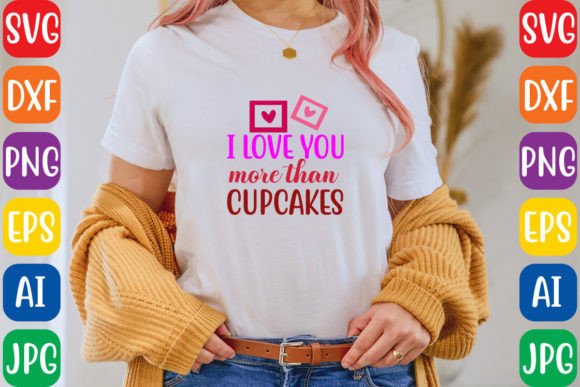
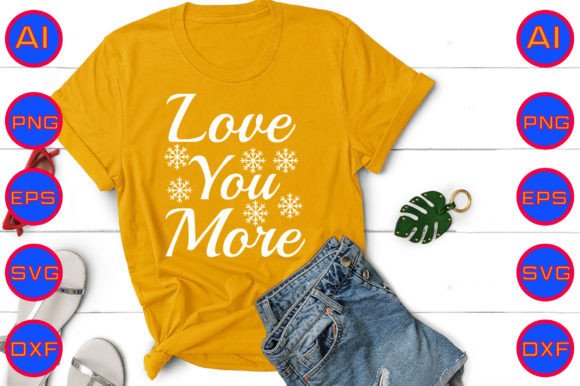
The first impression of Love-You-More is one of understated warmth. It does not scream for attention with overly complex shading or aggressive density. Instead, it offers a clean, heartfelt aesthetic that fits seamlessly into the current trend of minimalist handmade goods. For embroidery designers and small business owners, this simplicity is often more valuable than complexity. It suggests versatility. The visual personality of the design feels intimate, making it an ideal candidate for personalized gifts where the sentiment matters more than flashy ornamentation.
From Screen to Stitch: Real-World Application
To truly evaluate an embroidery file, you must imagine it on a physical object. I mentally placed Love-You-More on a few different canvases to test its viability. My primary test case was a custom embroidered tote bag. Tote bags are staples for craft businesses and Etsy sellers because they offer a large, flat surface area. On a heavy canvas tote, this design would likely shine if executed with a solid fill stitch or a clean satin stitch border, depending on the specific rendering of the letters.
However, the context changes when we move to apparel. Imagine this design on a soft, heather-grey sweatshirt. Here, the stitch density becomes critical. If the design is too dense, it will create a stiff patch that uncomfortable against the skin and may cause the garment to pucker after washing. If it is too light, the fabric texture might show through, reducing legibility. For sweatshirt embroidery, I would recommend using a cut-away stabilizer to support the stitches without adding excessive bulk. The design’s layout seems balanced enough to sit comfortably on the left chest or centered on the back, making it a strong contender for custom apparel lines.
Another compelling use case is baby embroidery. Parents love subtle, meaningful messages on onesies or burp cloths. Love-You-More carries a gentle tone that fits nursery decor and infant clothing perfectly. However, when working with tiny items, you must be cautious about the scale. If the design includes fine details or thin lines, they may not hold up well on small hoops or delicate fabrics. Always check the minimum recommended hoop size before committing to a small project.
Navigating Technical Constraints and Fabric Choices
One of the most important aspects of reviewing a design is identifying where it might fail. Love-You-More appears to be a graphic-centric asset, which means its success relies heavily on the quality of the digitizing. When using this on textured fabrics like terry cloth towels or fuzzy fleece blankets, you need to ensure the design has enough contrast and weight to stand out. A light running stitch detail might get lost in the pile of a towel, whereas a bolder satin column would remain visible.
Dark fabrics present another challenge. If you are stitching white thread on a black hoodie, any gaps in the thread colors or coverage will be glaringly obvious. This is why I always advise testing the design on scrap fabric first. Check how the threads lay down and whether there are any unintended jumps or trims that could snag. For curved surfaces like caps, the design needs to be narrow enough to fit within the cap frame without distortion. If Love-You-More is wide, it might wrap around the curve awkwardly, so measure your hoop area carefully.
It is also worth noting that this product comes as a zip file containing Ai, EPS, and SVG files. These are vector graphics formats, not native embroidery machine files like PES or DST. This is a crucial distinction for embroidery designers. You will need to use software like Adobe Illustrator, Inkscape, or Corel Draw to manipulate the design before converting it into an embroidery format. This adds a step to your workflow but offers significant flexibility. You can change colors easily in the Ai file or resize the SVG without losing quality before sending it to your digitizing software. This makes it a versatile set of design assets for those who handle their own digitizing or work with a professional digitizer.
Commercial Viability and Brand Consistency
For Etsy sellers and boutique owners, the visual appeal of a product directly impacts buyer engagement. Love-You-More has a timeless quality that does not feel tied to a fleeting trend. This longevity is essential for building a consistent brand identity. When customers see a clean, well-executed design, it builds trust in your craftsmanship. A sloppy stitch-out can damage your reputation, but a crisp, professional finish encourages repeat business.
Using this design in commercial embroidery projects requires attention to licensing. Since it is listed as a freebie, you must verify the terms of use. Can you sell finished products featuring this design? Can you include it in a digital bundle? Never assume. Always read the license agreement provided by the creator. Assuming commercial rights without confirmation can lead to legal issues down the line. If the license allows for commercial use, this design could be a profitable addition to your small shop product lineup, especially during holiday seasons when sentimental gifts are in high demand.
Practical Notes for the Serious Maker
Before you launch into a full production run, take these practical steps. First, create a printable mockup to visualize the scale. Place the SVG on a photo of your intended product to see if the proportions feel right. Second, test the design in black and white. This removes the distraction of color and helps you focus on the shape and clarity of the stitches. If the design looks muddy in grayscale, it may lack the necessary contrast for clear stitching.
Finally, consider the end user. If you are creating a personalized gift or an embroidered patch for a customer, think about care instructions. Dense designs require gentle washing. Inform your clients how to care for their items to ensure the finished product lasts. By treating Love-You-More not just as a file, but as a component of a larger creative process, you elevate the value of your work. It is a sweet, versatile graphic that, with careful handling and professional execution, can become a standout piece in your portfolio.