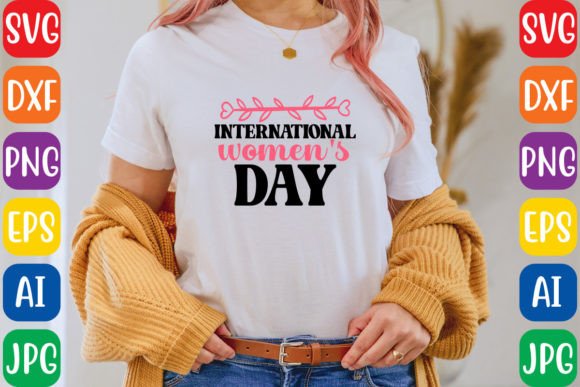
Reviewing International Women s Day 2 for Real Stitching
As an embroidery designer who has spent countless hours staring at hoops, troubleshooting thread breaks, and refining digitizing settings, I approach every new machine embroidery design with a critical eye. It is not enough for a graphic to look good on a screen; it must survive the needle, the tension, and the fabric. Recently, I evaluated International Women s Day 2, a digital asset categorized under Freebies and Graphics. While this is technically a vector-based resource rather than a pre-digitized stitch file, its potential for translation into embroidery is significant if handled with care. Here is my practical assessment of how this design performs in real-world craft scenarios.
First Impressions and Visual Personality
The first thing that strikes me about International Women s Day 2 is its bold, declarative nature. The layout is clean, avoiding unnecessary clutter that often plagues holiday-themed graphics. For an embroidery project, simplicity is often a virtue. Complex, overly detailed illustrations can become muddy when stitched out, especially on textured fabrics. This design’s clear lines and strong thematic focus suggest it would translate well into a variety of stitch types, from crisp running stitch outlines to solid fill stitch backgrounds.
The mood is empowering and modern. It does not rely on clichés but instead offers a contemporary aesthetic that fits well with current trends in handmade products. When I visualize this on a product, I see it working best as a statement piece. It demands attention, which makes it ideal for items where the design is the focal point, such as the center of a tote bag or the chest of a sweatshirt.
Real-World Application: The Custom Tote Bag Scenario
To test the viability of International Women s Day 2, I imagined a specific client request: a batch of custom canvas tote bags for a local women’s networking event. Canvas is a sturdy, woven fabric that holds embroidery well, but it can be unforgiving if the design is too dense or if the stabilizer is inadequate.
In this scenario, the design’s vector nature is both a blessing and a challenge. Since the download includes an Ai File Adobe illustrator source and SVG files, I have full control over the sizing and layer separation. This is crucial for an Etsy seller or small shop product creator who needs to adapt designs to different hoop sizes. I would likely scale the design to fit a 5x7 inch hoop, ensuring the text remains legible without becoming so small that the stitches merge together.
For the stitching process, I would recommend using a combination of satin and fill stitches. The bold elements could be filled for impact, while finer details might benefit from a satin border to keep edges sharp. Because this is a digital embroidery file source rather than a ready-to-stitch DST or PES file, the responsibility falls on the designer to digitize it properly. This allows for customization of stitch density, which is vital for preventing puckering on canvas.
Fabric Considerations and Stitching Challenges
Not all fabrics behave the same way, and International Women s Day 2 requires thoughtful adaptation depending on the substrate. Here is how I would approach different materials:
- Sweatshirts and Hoodies: For sweatshirt embroidery, the pile of the fleece can swallow small details. I would increase the size of the design slightly and use a cut-away stabilizer to provide long-term support. A topper might also be necessary to keep the stitches sitting on top of the fuzz rather than sinking in.
- T-Shirts and Knits: Stretchy fabrics are tricky. If using this design for custom apparel made of jersey or cotton blends, a lightweight cut-away stabilizer is non-negotiable. I would avoid dense fill stitches in large areas to prevent the fabric from distorting or becoming stiff.
- Caps and Curved Surfaces: Embroidering on a cap requires a specialized frame and careful attention to the centering. The design’s symmetry helps here, but I would ensure the height fits within the typical cap embroidery area, usually around 2.5 inches tall. A running stitch outline can help secure the fabric before the main stitching begins.
- Dark Fabrics: If stitching on black or navy, contrast is key. I would test the design in a mockup first to ensure the thread colors pop. Lighter threads on dark fabric may require an underlay stitch to prevent the background color from showing through the gaps.
Commercial Viability and Brand Consistency
For craft business owners, the value of a design lies not just in its aesthetics but in its versatility and professionalism. International Women s Day 2 offers a polished look that can elevate a handmade product. Whether used for a personalized gift, a boutique item, or a corporate order, the clean lines convey quality.
However, because this is provided as SVG and AI files, it is essential to understand the workflow. You are receiving design assets that need to be converted into machine-readable formats. This means you must have embroidery software capable of importing vectors and auto-digitizing or manually creating stitch paths. For those who do not digitize, this file serves as an excellent template for creating applique pieces. An applique design approach could involve cutting fabric shapes based on the SVG layers and stitching them down, which reduces stitch count and adds texture.
When selling finished items, such as an embroidered patch or a baby embroidery item, consistency is key. Ensure that every unit produced looks identical by documenting your stitch settings, thread brands, and stabilizer choices. This builds customer trust and enhances the perceived value of your finished product.
Practical Designer Notes for Best Results
Before committing to a full production run, follow these steps to ensure success with International Women s Day 2:
- Test on Scrap Fabric: Always stitch a sample on the exact same fabric and stabilizer combination you plan to use for the final product. This reveals issues with tension, density, or registration.
- Check Layer Separation: Since the file comes with layers, verify that each element separates cleanly in your design software. This allows you to assign different stitch types or colors to specific parts of the design.
- Review Stitch Density: If you digitize the file yourself, pay close attention to stitch density. Too dense, and the fabric will pucker; too sparse, and the backing will show. Aim for a balance that suits the fabric weight.
- Confirm Licensing: Although this is listed under Freebies, always double-check the specific license terms included in the zip file. Ensure you are permitted to use the design for commercial purposes if you plan to sell the embroidered items.
- Mockup Testing: Use digital mockups to visualize the design on different products before stitching. This helps in marketing your Etsy listings and setting customer expectations.
In conclusion, International Women s Day 2 is a versatile and impactful design resource. While it requires some technical effort to convert from vector to stitch, the control it offers over the final output is invaluable for serious designers. By paying attention to fabric choice, stabilizer selection, and stitch parameters, you can create stunning, professional-quality embroidery that resonates with customers and stands up to wear and washing. Whether for a holiday embroidery project or a year-round staple in your shop, this design has the potential to be a standout piece in your portfolio.